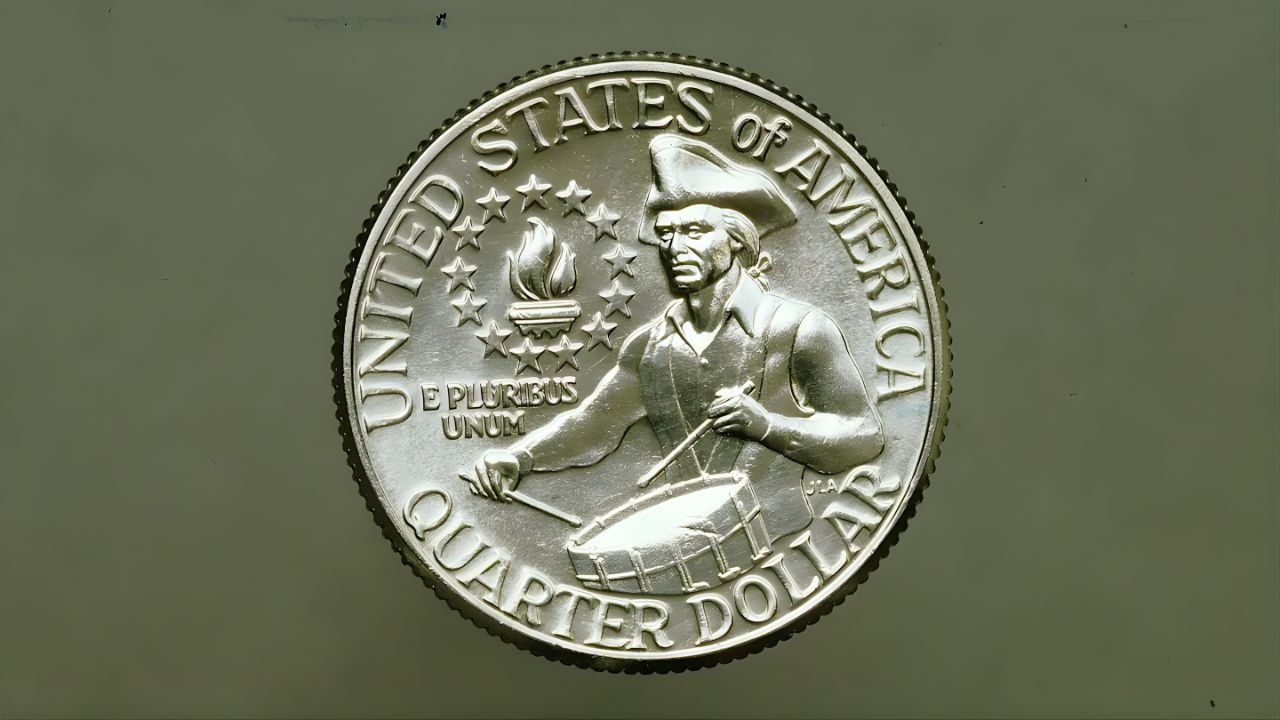
These Bicentennial Quarters: The Bicentennial Quarter is one of the most recognizable commemorative coins ever issued by the United States Mint. Created to honor the 200th anniversary of American independence, this coin quickly captured public attention with its unique dual date and symbolic design. Although hundreds of millions were produced and most remain common today, certain versions have gained surprising value due to rarity, condition, and unusual minting characteristics.
For many people, the Bicentennial Quarter is a nostalgic reminder of the nationwide celebrations of 1976. For collectors, however, it represents an opportunity to own a piece of American history. Understanding which factors influence its value can help determine whether a quarter found in a collection or coin jar is simply memorable or genuinely valuable.
Bicentennial Quarter Key Facts Table
| Feature | Details |
|---|---|
| Year Issued | 1976 |
| Dual Date | 1776–1976 |
| Obverse Design | George Washington |
| Reverse Designer | Jack L. Ahr |
| Reverse Image | Colonial drummer |
| Mint Locations | Philadelphia, Denver, San Francisco |
| Special Versions | Proof and silver-clad issues |
| Composition | Copper-nickel or 40 percent silver |
The Origins of the Bicentennial Quarter
In 1976, the United States marked 200 years since the Declaration of Independence. To celebrate this historic milestone, the U.S. Mint introduced special reverse designs for circulating coins. The quarter retained George Washington’s portrait on the front while showcasing a colonial drummer on the reverse, symbolizing the spirit of the American Revolution. Thirteen stars surrounding the drummer represented the original colonies, making the design rich in symbolism.
Production and Circulation
The Bicentennial Quarter was minted in extremely large quantities to ensure nationwide availability. Coins were produced at the Philadelphia and Denver mints for general circulation, while the San Francisco Mint struck proof and silver-clad versions intended primarily for collectors. Because of this high production, most Bicentennial Quarters found today are worth face value. However, certain variations stand out due to their scarcity or condition.
Rare Varieties and Mint Errors
Collectors focus on specific Bicentennial Quarter varieties that differ from standard circulation issues. These include silver-clad proof coins containing 40 percent silver, which were sold directly to collectors. Errors such as doubled dies, off-center strikes, and other minting irregularities are also highly desirable. In addition, uncirculated coins that retain sharp details and original luster are significantly more valuable than worn examples.
Current Market Value
The market value of a Bicentennial Quarter depends on its rarity, metal content, and condition. Circulated copper-nickel quarters typically sell for face value. Silver-clad proofs usually sell for several dollars, while high-grade uncirculated examples may command higher prices. Rare error coins can sell for hundreds or even thousands of dollars, especially when professionally authenticated.
Importance of Coin Grading
Professional grading is essential when determining the true value of a Bicentennial Quarter. Grading services evaluate coins based on wear, strike quality, and surface preservation. Coins graded in Mint State or Proof condition are far more valuable than circulated examples. Certification also reassures buyers and sellers that a coin is authentic and accurately described.
Why Collectors Love Bicentennial Quarters
Collectors are drawn to Bicentennial Quarters for their historical meaning and distinctive design. For older generations, the coin evokes memories of the nation’s bicentennial celebrations. For new collectors, it offers an affordable entry point into numismatics. Its combination of accessibility and historical significance ensures ongoing interest.

Discovery Stories and Hidden Finds
Many collectors are inspired by stories of valuable Bicentennial Quarters discovered in old jars, inherited collections, or everyday change. While rare finds are uncommon, the possibility keeps collectors searching. These discoveries highlight how easily valuable coins can remain unnoticed for decades.
Investment Considerations
While not every Bicentennial Quarter is an investment-grade coin, select varieties offer long-term potential. Coins with silver content, mint errors, or high grades tend to perform best over time. For investors, these coins provide diversification through tangible assets tied to American history.
Proper Care and Storage
Preserving Bicentennial Quarters is crucial to maintaining their value. Coins should be handled minimally and stored in protective holders. Cleaning should always be avoided, as it can permanently damage surfaces and reduce value. Professional grading and storage offer the best protection for valuable examples.
Lasting Legacy of the Bicentennial Quarter
The Bicentennial Quarter remains a lasting symbol of American heritage. Its design reflects national pride, and its commemorative purpose sets it apart from standard circulating coins. Rare varieties elevate its status from a common keepsake to a meaningful collectible with real market value.
Final Verdict
The Bicentennial Quarter proves that even widely circulated coins can hold significant value under the right conditions. While most examples are common, rare varieties, errors, and high-grade specimens continue to attract strong collector interest. With historical importance and lasting appeal, the Bicentennial Quarter remains a fascinating part of American numismatics.
Disclaimer
This article is intended for informational purposes only. Coin values depend on condition, rarity, market demand, and professional authentication. Readers should consult certified numismatic experts before making purchasing or selling decisions.
