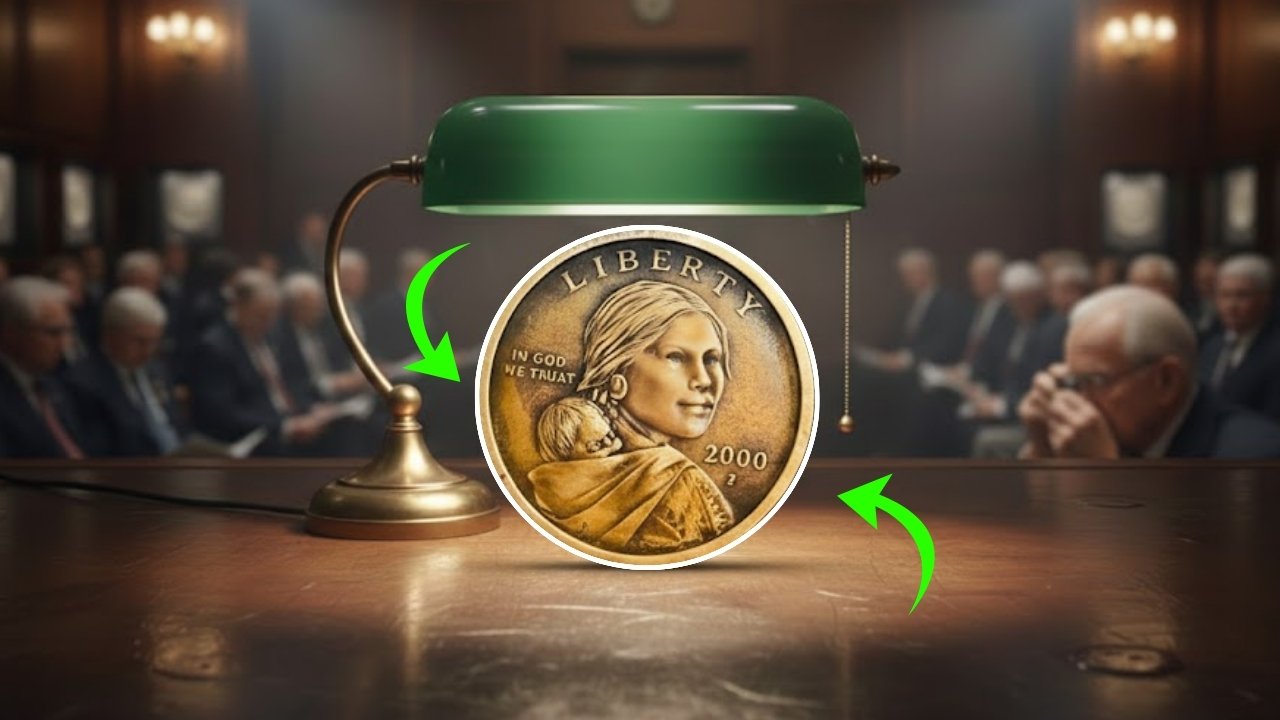
Sacagawea Dollar Coin Value Guide The Sacagawea Dollar, first issued in 2000, remains one of the most distinctive modern coins in U.S. history. Featuring Sacagawea, the Shoshone interpreter who guided Lewis and Clark, the coin represents exploration, unity, and American heritage. Although designed to replace the paper dollar, it never became a widely used circulation coin. Instead, its golden hue, special editions, and rare minting errors have made it a favorite among collectors.
Sacagawea Dollar Value Chart (Year, Mint Mark, Variety & Price)
| Year | Mint Mark | Variety / Description | Grade Range | Estimated Value |
|---|---|---|---|---|
| 2000 | P | Cheerios Dollar (prototype eagle reverse) | MS65+ | $5,000 – $25,000 |
| 2000 | P | Goodacre Presentation Dollar | MS65+ | $500 – $1,500 |
| 2000 | P | Mule Error (Quarter reverse) | Any | $50,000 – $200,000 |
| 2000 | D | Regular circulation issue | MS63–MS67 | $1 – $25 |
| 2001 | P | Standard circulation strike | MS63–MS67 | $1 – $20 |
| 2001 | D | Lower mintage issue | MS63–MS67 | $2 – $20 |
| 2007 | P | Enhanced uncirculated collector issue | MS65+ | $10 – $50 |
| 2007 | D | Enhanced uncirculated collector issue | MS65+ | $10 – $50 |
| 2009 | P | First Native American reverse | MS63–MS67 | $2 – $25 |
| 2009 | S | Proof Native American Dollar | PR69–PR70 | $10 – $40 |
| 2010–2026 | P / D | Native American series circulation coins | MS63–MS67 | $2 – $30 |
| 2010–2026 | S | Proof Native American Dollars | PR69–PR70 | $10 – $50 |
Origins of the Sacagawea Dollar
The coin was introduced as part of a modernization effort in U.S. currency. Sculptor Glenna Goodacre designed the obverse, showing Sacagawea carrying her infant son, symbolizing guidance and continuity. The reverse, created by Thomas D. Rogers, depicts a soaring eagle surrounded by seventeen stars, representing the states during the Lewis and Clark expedition. Its golden tone comes from a manganese‑brass alloy, giving it a unique appearance compared to other circulating coins.
Common Sacagawea Dollars and Circulation Issues
Most Sacagawea Dollars minted from 2000 onward are common and often worth only face value in circulation. Large mintages at Philadelphia and Denver ensured wide availability. Proof coins from San Francisco were sold directly to collectors. While circulated examples rarely command premiums, uncirculated and proof coins in high grades can bring modest value increases.
Rare and Valuable Sacagawea Dollar Varieties
Some issues stand out as true rarities. The 2000‑P Cheerios Dollar, distributed through a cereal promotion, features a prototype eagle tail feather design. The Goodacre Presentation Dollars were specially struck for the coin’s designer, making them highly collectible. The legendary 2000‑P Mule Error, combining a Sacagawea obverse with a Washington Quarter reverse, is among the most valuable modern coins, often selling for five‑figure sums. Enhanced collector strikes and low‑mintage Native American reverses also attract strong demand.
Native American Dollar Series Explained
Beginning in 2009, the reverse design changed annually to honor Native American contributions to U.S. history. Themes include agriculture, diplomacy, military service, and innovation. While many remain affordable, proof versions and high‑grade examples can be more valuable. The rotating designs have kept collector interest alive for over a decade.
Sacagawea Dollar Error Coins and Minting Mistakes
Error coins are a highlight of this series. Mule errors are the most famous, but other mistakes such as double strikes, off‑center strikes, and planchet errors are also sought after. Dramatic and well‑preserved errors often command significant premiums.
Importance of Coin Grading for Sacagawea Dollars
Professional grading plays a major role in determining value. Coins graded Mint State 67 or higher can sell for much more than ungraded examples. Certification also provides authenticity and buyer confidence, especially for rare varieties and error coins.
Sacagawea Dollar Market Value in 2026
Collector demand remains steady in 2026. Common circulation coins are affordable, but rare varieties and major errors continue to achieve strong auction prices. The Cheerios Dollar, Mule Error, and Goodacre Presentation Dollars remain standout pieces, while select Native American issues hold long‑term appeal.
Collector Insights and Long‑Term Appeal
Collectors value the Sacagawea Dollar for its history and artistry. Beginners enjoy its accessibility, while advanced collectors pursue rare errors and proofs. This balance ensures ongoing interest across all levels of numismatics.
Final Verdict
The Sacagawea Dollar blends history, design, and collectible potential. While most examples are common, certain years, mint marks, and error coins can be extremely valuable. From the Cheerios Dollar to the Mule Error, this series continues to reward careful collectors and remains a fascinating area of modern U.S. coin collecting.
Disclaimer
All values listed are estimates based on current market trends and past auction results. Prices vary depending on condition, grading, and demand. This guide is for informational purposes only and should not be considered financial advice. Consult professional numismatists or grading services before buying or selling coins.
