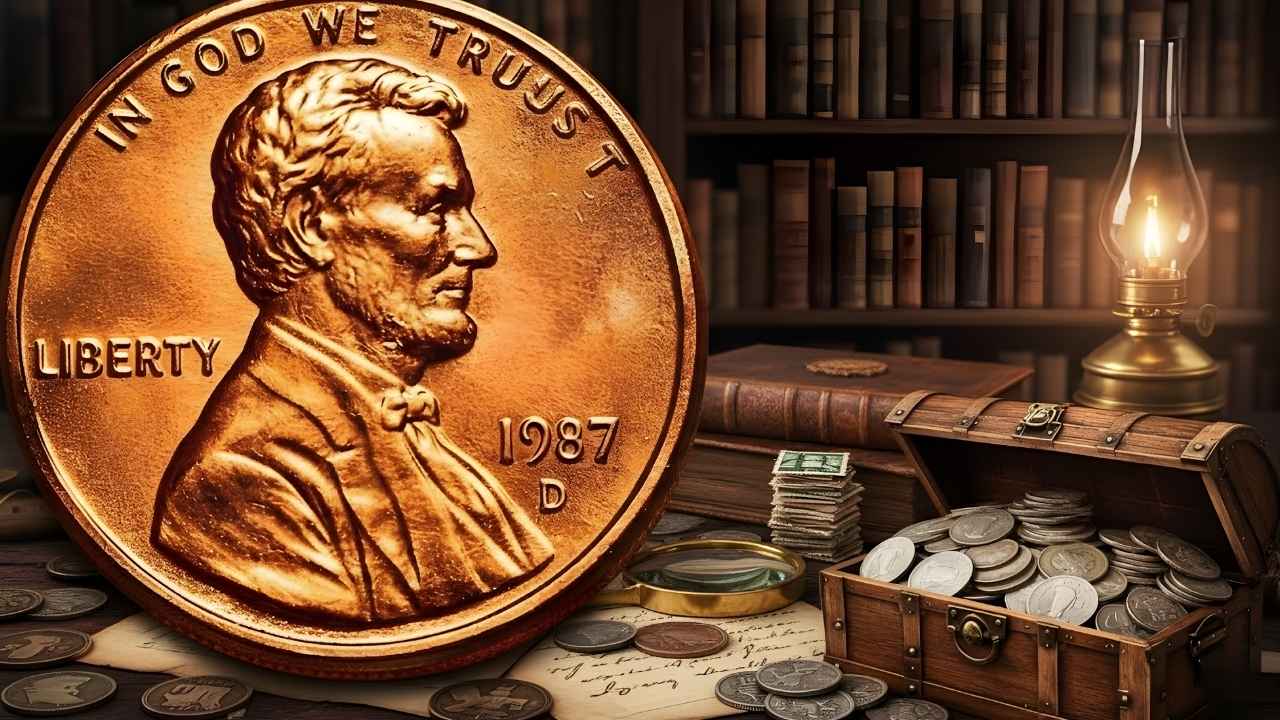
Complete Wheat Penny Value Guide 2026 Coin collecting has always been a hobby that blends history, artistry, and the thrill of discovery. Among the many coins that have captured the imagination of collectors, the Lincoln Wheat Penny holds a special place. Minted from 1909 to 1958, this coin is not only a piece of American currency but also a symbol of national pride and craftsmanship. Today, Wheat Pennies continue to fascinate collectors, with some rare varieties commanding extraordinary prices.
Wheat Penny Quick Reference Value Chart
| Year / Variety | Mint Mark | Key Feature | Typical Value Range |
|---|---|---|---|
| 1909 S VDB | S | Designer initials controversy | Hundreds to thousands |
| 1914 D | D | Low mintage rarity | Hundreds to thousands |
| 1922 No D | None | Mint error, missing mark | High collector demand |
| 1943 Steel | P/D/S | Wartime zinc-coated steel | Common, modest value |
| 1943 Copper | P/D | Wrong planchet error | Hundreds of thousands |
| 1955 Doubled Die | P | Strong doubling visible | Thousands depending on grade |
| Common Wheat Pennies | Mixed | Circulated examples | Face value to a few dollars |
This table highlights the most notable Wheat Penny varieties and their typical collector values, helping enthusiasts quickly identify which coins deserve closer attention.
The Birth of the Wheat Penny
Introduced in 1909 to commemorate Abraham Lincoln’s centennial, the Wheat Penny was designed by Victor David Brenner. It was the first U.S. coin to feature a real person. The obverse displays Lincoln’s profile, while the reverse shows two wheat stalks framing “One Cent.” This design reflected America’s agricultural heritage and admiration for Lincoln. The coin remained in circulation until 1959, when the Lincoln Memorial reverse replaced it.
Key Historical Milestones
- 1909 S VDB: Limited release with Brenner’s initials, quickly withdrawn, now a famous rarity.
- 1943 Steel Pennies: Produced during World War II to conserve copper, distinctive silver appearance.
- 1943 Copper Pennies: Mistakenly struck on copper planchets, among the most valuable U.S. coins.
Understanding Wheat Penny Values
The value of a Wheat Penny depends on rarity, condition, and demand. Common dates in circulated condition may be worth only slightly above face value, while rare varieties or pristine coins can fetch hundreds or thousands. Auction records show extraordinary prices for coins like the 1943 copper penny.
Factors That Influence Prices
- Rarity: Low mintage or error coins are more valuable.
- Condition: Mint state coins command higher premiums.
- Mint Marks: San Francisco and Denver issues often rarer than Philadelphia.
- Historical Significance: Coins tied to design changes or wartime production attract collectors.
Famous Rare Varieties
- 1909 S VDB: Limited mintage, iconic rarity.
- 1914 D: Scarce survival rate in high grades.
- 1922 No D: Mint error, missing Denver mark.
- 1943 Copper: Legendary wrong planchet coin.
- 1955 Doubled Die: Famous error with dramatic doubling.
Tips for Identifying Valuable Wheat Pennies
Collectors should examine mint marks, dates, and unusual features such as doubled dies or off‑center strikes. Condition is critical, and magnification helps spot subtle details. Consulting reference guides or experts ensures accurate identification.
The Role of Professional Grading
Professional grading services like PCGS and NGC provide standardized assessments of coin condition. High‑grade coins often command extraordinary prices, and certification ensures authenticity, protecting collectors from counterfeits.

Building a Wheat Penny Collection
Collectors may pursue complete sets, focus on rare varieties, or seek high‑grade examples. Beginners often start with common dates before expanding to rarities. Collecting Wheat Pennies offers opportunities to learn history, appreciate artistry, and enjoy discovery.
Collector Tips for Success
- Educate yourself with books and coin shows.
- Handle coins carefully, using gloves or edges only.
- Store coins in protective holders.
- Buy from reputable dealers.
- Be patient—valuable collections take time to build.
The Broader Significance of Coin Collecting
Coin collecting connects enthusiasts with history and culture. The Wheat Penny reflects America’s admiration for Lincoln and its agricultural roots. Rare discoveries remind us that history can be found in everyday objects.
Final Verdict
The Lincoln Wheat Penny remains one of the most beloved coins among collectors. Its rich history, iconic design, and potential for extraordinary value make it a fascinating pursuit. From common dates to legendary rarities, Wheat Pennies offer collectors both historical connection and financial opportunity.
Disclaimer
This article is intended for educational purposes only. Coin values vary depending on rarity, condition, and market demand. Readers should consult certified numismatists or grading services before buying, selling, or appraising coins.
