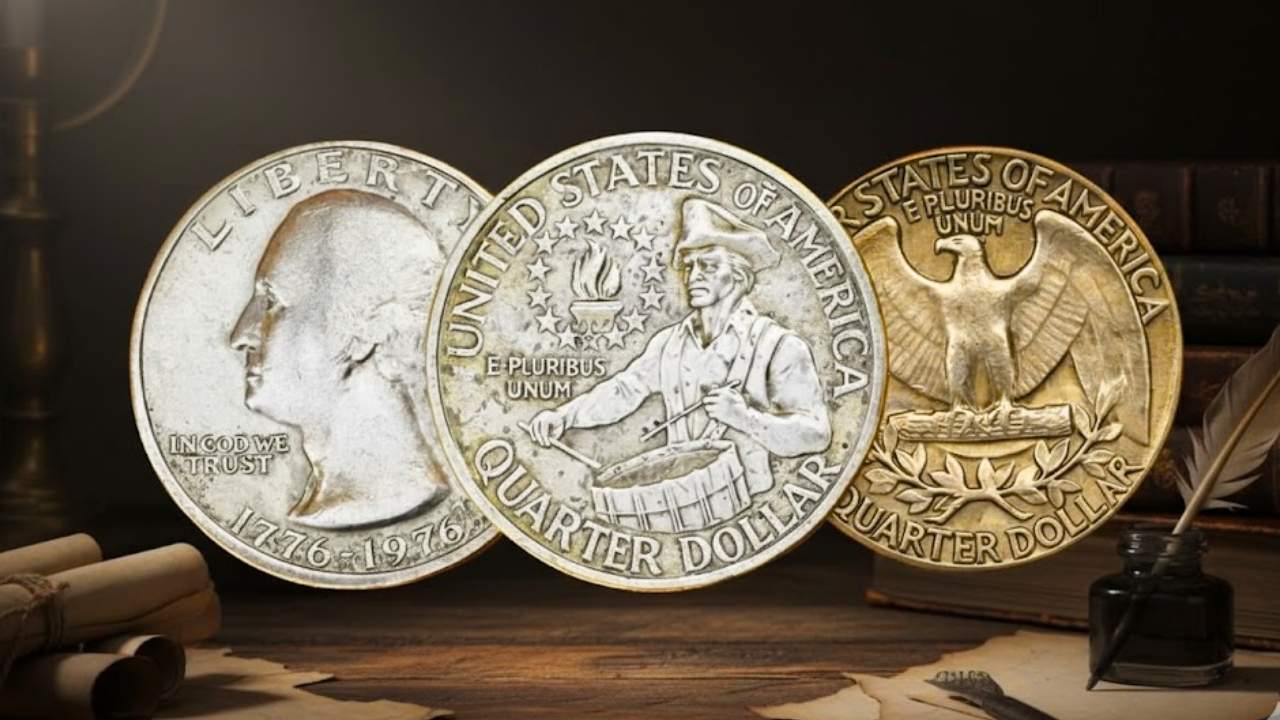
1776–1976 Bicentennial Quarter Value 2026 Every so often, a coin tells a story far beyond its monetary value. The 1976 Bicentennial Quarter is one such piece a tangible memento of America’s 200th birthday that still surfaces in everyday change. While exaggerated online claims sometimes suggest astronomical values, the true story of this coin is one of accessible history, the intrigue of collecting, and the genuine potential for discovery. It connects us to a national celebration and transforms a simple quarter into a conversation with the past.
Bicentennial Quarter Value Chart 2026
| Type / Variety | Composition | Key Feature | Typical Value Range |
|---|---|---|---|
| Standard Issue | Copper-Nickel | Dual date 1776–1976 | $0.25 – $2 |
| Silver Issue | 40% Silver | Collector sets, proof strikes | $3 – $20+ |
| Proof Coins | Copper-Nickel & Silver | Mirror-like finish, sharp details | $5 – $30+ |
| Double Die Errors | Mixed | Doubling on obverse or reverse | $100 – $1,000+ |
| Off-Center Strikes | Mixed | Misaligned design | $200 – $1,500+ |
| Wrong Planchet Errors | Mixed | Struck on dime or foreign blank | $500 – $5,000+ |
| Clipped Planchets | Mixed | Missing edge portion | $100 – $800+ |
This table highlights the most notable Bicentennial Quarter varieties and errors, guiding collectors toward coins that may hold extraordinary worth.
Born from a Nation’s Milestone
In the mid-1970s, as the United States prepared to mark its bicentennial, the U.S. Mint launched a special commemorative coin program. The quarter, half dollar, and dollar coins received temporary redesigns. For the quarter, the traditional eagle was replaced with a stirring new reverse design by artist Jack L. Ahr. His depiction of a colonial drummer boy alongside a victory torch encircled by thirteen stars captured the revolutionary spirit of 1776. The obverse kept John Flanagan’s portrait of George Washington but was updated with the dual date “1776–1976.”
What Actually Makes a Bicentennial Quarter Valuable
Billions of Bicentennial Quarters were minted, and most are worth only face value. However, specific attributes can elevate a coin into a collectible. Composition matters 40% silver versions were produced exclusively for collector sets and carry premiums. Condition is equally important, with uncirculated or proof coins commanding higher prices. Finally, minting errors such as doubled dies, off-center strikes, or wrong planchets are rare anomalies that can bring significant value.

How to Identify Valuable Bicentennial Quarters
- Examine the Edge: Copper-nickel coins show a copper band, while silver issues have a solid silver-gray edge.
- Locate the Mint Mark: “D” for Denver, no mark for Philadelphia, and “S” for San Francisco proofs or collector strikes.
- Judge the Condition: Sharp details and original luster indicate collectible quality.
- Check for Errors: Doubling, off-center strikes, or missing clad layers are rare but valuable.
The Real Reward: Connection and the Joy of the Hunt
The enduring appeal of the Bicentennial Quarter goes beyond its monetary worth. It serves as a gateway into coin collecting a hobby that blends art, history, and discovery. The idea that a rare error or silver issue could be sitting unnoticed in a drawer adds excitement to everyday life.
Final Verdict
The 1776–1976 Bicentennial Quarter is more than currency it is a celebration of American independence, a piece of history, and in rare cases, a source of significant wealth. From silver issues to dramatic minting errors, these quarters continue to captivate collectors. Whether you are a seasoned numismatist or a beginner, the hunt for valuable Bicentennial Quarters offers both excitement and financial reward.
Disclaimer
This article is for educational purposes only. Coin values vary depending on rarity, condition, and market demand. Readers should consult certified numismatists or grading services before buying, selling, or appraising coins.
