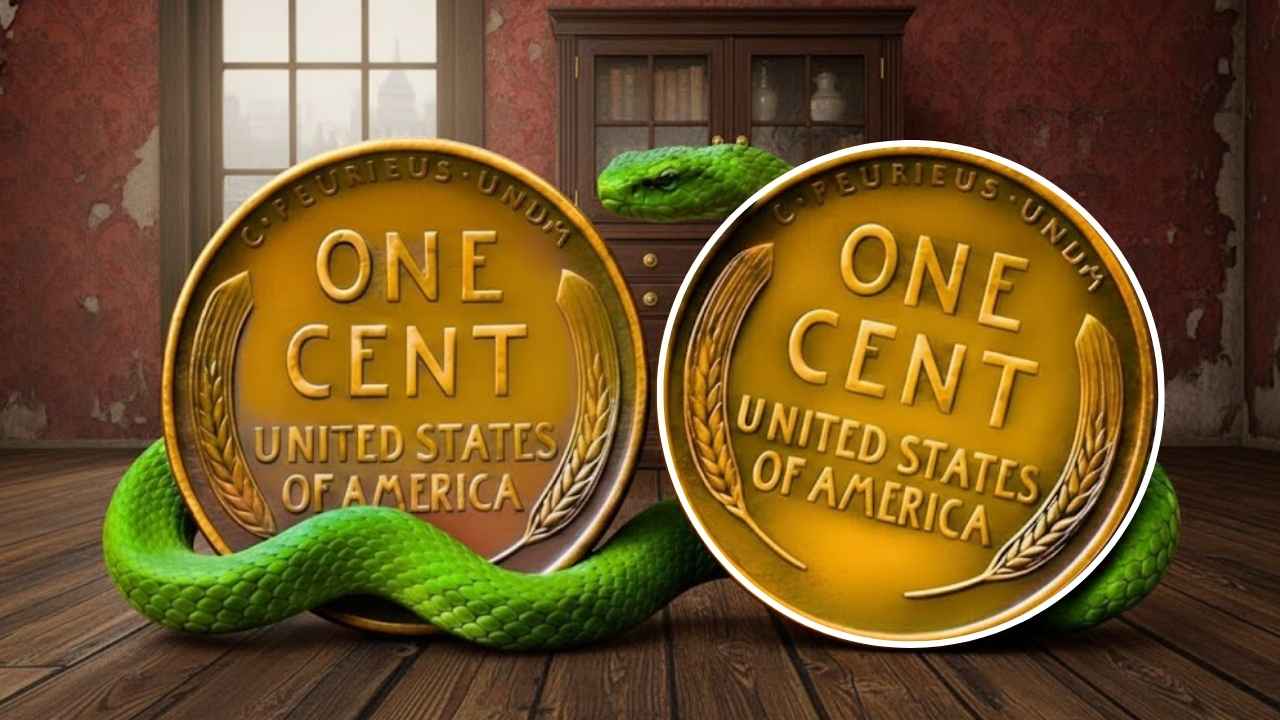
Lincoln Wheat Penny History The Lincoln Wheat Penny made its debut in 1909 to honor the centennial of Abraham Lincoln’s birth. This historic release marked the first time a real individual appeared on a circulating U.S. coin. Sculptor Victor David Brenner designed the obverse with Lincoln’s profile, while the reverse displayed two wheat stalks symbolizing prosperity and strength. This distinctive design earned the coin its nickname, Wheat Penny, and signaled a new era of meaningful imagery in American currency.
Lincoln Wheat Penny Key Dates and Notable Varieties
| Year | Mint Mark | Variety Name | Why It Matters |
|---|---|---|---|
| 1909 | S | VDB | Limited release with designer initials |
| 1914 | D | Standard Issue | Low mintage and high demand |
| 1922 | None | No D Error | Mint mark missing due to worn die |
| 1943 | None | Copper Error | Struck on copper instead of steel |
| 1955 | None | Doubled Die | Strong doubling visible on date |
This table highlights the most famous Wheat Penny varieties, each representing unique circumstances that make them highly collectible and valuable.
Early Reception and Controversy
When the Wheat Penny entered circulation, the public welcomed the tribute to Lincoln. However, controversy arose over Brenner’s initials, VDB, appearing prominently on the reverse. The Mint quickly removed them, creating the rare 1909‑S VDB penny, now one of the most coveted coins in American numismatics.
The Role of the Wheat Penny in Daily Life
For nearly fifty years, Wheat Pennies were part of everyday transactions. They purchased newspapers, small goods, and filled cash registers nationwide. Their long circulation made them a familiar symbol of American life, embedding them deeply into cultural memory.
Wartime Changes and National Priorities
World War II brought dramatic changes to coinage. In 1943, copper shortages led to pennies being struck in zinc‑coated steel, giving them a silver appearance often mistaken for dimes. A few copper planchets were accidentally used, creating the legendary 1943 copper Wheat Penny, one of the most valuable coins ever minted.
Key Dates and Rare Errors
Several Wheat Pennies stand out for rarity or minting mistakes. The 1914‑D is scarce due to low mintage. The 1922 No D penny resulted from a worn die failing to imprint the mint mark. The 1955 doubled die penny, with dramatic doubling on the date and lettering, remains one of the most recognizable error coins in history.
Transition to the Lincoln Memorial Penny
In 1958, the Wheat Penny design was retired. From 1959 onward, the reverse featured the Lincoln Memorial, modernizing the coin while continuing to honor Lincoln’s legacy. The Wheat Penny, however, retained its place in collections and family keepsakes as a symbol of a completed chapter in coin history.
Collecting Lincoln Wheat Pennies Today
Collectors prize Wheat Pennies for their long production span from 1909 to 1958. Many pursue complete sets by year and mint mark, while others focus on rare varieties and errors. The series offers accessibility for beginners and depth for advanced numismatists.

How Condition Affects Value
Condition is critical in determining value. Heavily circulated coins often hold modest worth, while uncirculated examples with sharp details and original luster can command impressive prices. Professional grading services provide authentication and standardized ratings, with coins graded MS65 or higher considered premium collectibles.
Myths and Misunderstandings
Not all Wheat Pennies are valuable. Most are common and worth only modest amounts. Misconceptions arise from stories of rare finds and high auction prices. In reality, only specific dates, mint errors, and high‑grade examples bring significant premiums.
Auction Records and Collector Inspiration
Auction sales reveal the true market value of rare Wheat Pennies. Exceptional specimens have sold for tens of thousands, and in rare cases, hundreds of thousands of dollars. These success stories inspire collectors to examine their coins closely, fueling the excitement of discovery.
The Joy of Collecting Wheat Pennies
Beyond monetary value, Wheat Pennies offer a tangible connection to history. Each coin reflects the era in which it circulated, linking collectors to past generations. The pursuit of rare coins combines learning, preservation, and personal enjoyment, making the journey as rewarding as the treasure itself.
Final Verdict
The Lincoln Wheat Penny stands as a timeless symbol of American heritage and artistry. From its groundbreaking debut in 1909 to its retirement in 1958, it reflects cultural values, wartime challenges, and evolving design philosophies. Whether rare or common, every Wheat Penny tells a story that continues to captivate collectors worldwide.
Disclaimer
This article is for educational and informational purposes only. Coin values fluctuate based on rarity, condition, and market demand. Readers should consult professional numismatists or certified grading services before making buying or selling decisions related to rare coins.
